
Textile Wastewater Treatment – PVA Removal and Water Recycling
A textile processing unit faced significant challenges in treating wastewater containing 0.5-1% Polyvinyl Alcohol (PVA), a synthetic polymer widely used in fabric finishing. The PVA contributed to the Chemical Oxygen Demand (COD), making the effluent non-compliant with discharge regulations. Additionally, the high COD levels limited the reuse of water within the plant, leading to increased fresh water consumption and operational costs.
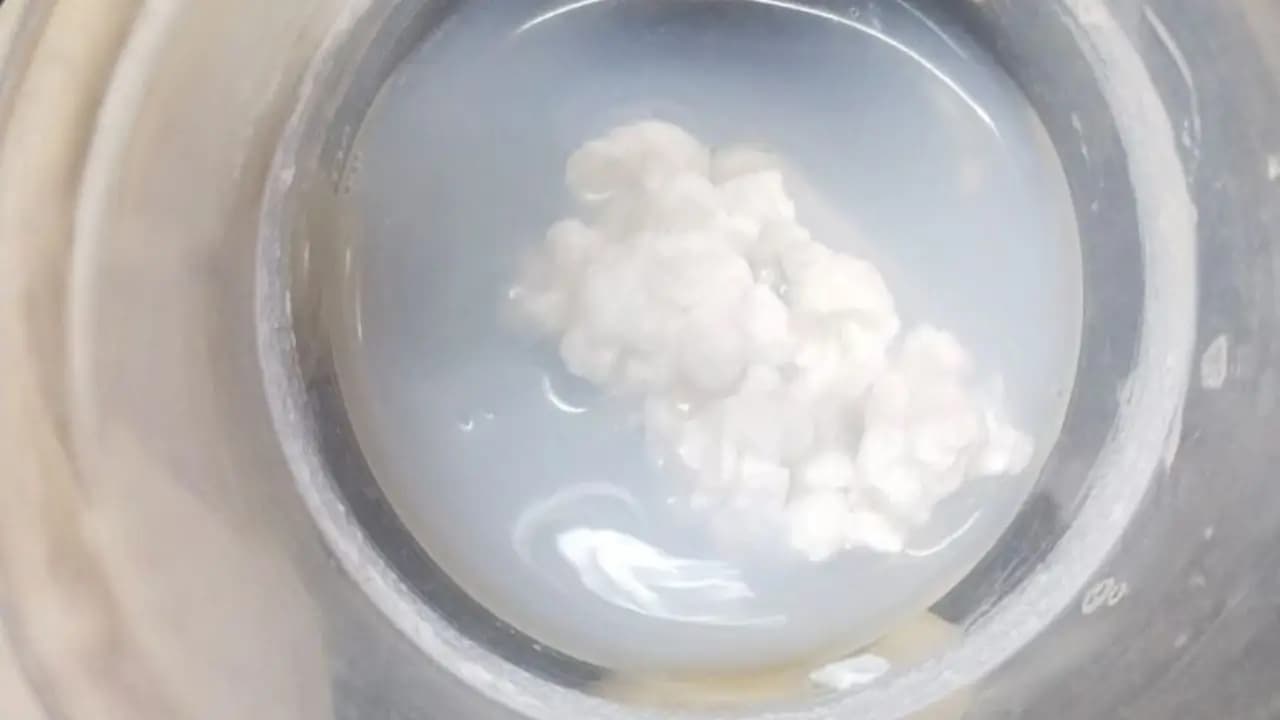
Problem Statement: Challenges in Textile Wastewater
Effluent from textile processing often contains PVA, which is:
- Non-Biodegradable: Difficult to break down through conventional biological processes.
- COD Contributor: Increases COD beyond permissible discharge limits.
- Resource Intensive: Limits water recycling, increasing dependence on freshwater.
Key Parameters:
- PVA Concentration: 0.5–1% in wastewater
- Objective: Treat 50 KLD of wastewater to achieve:
- COD Reduction: Below regulatory limits
- Water Recovery: Suitable for recycling within the textile plant
Solution Provided by Diva Envitec
1.Polymer Chemistry Optimization:
2.Physico-Chemical Pretreatment:
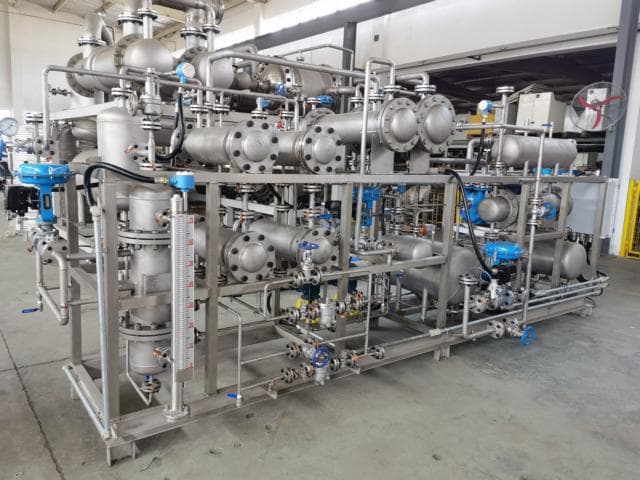
3.PROMEM Filtration System:
Results: Transforming Textile Wastewater Treatment
The implemented solution delivered impressive results:
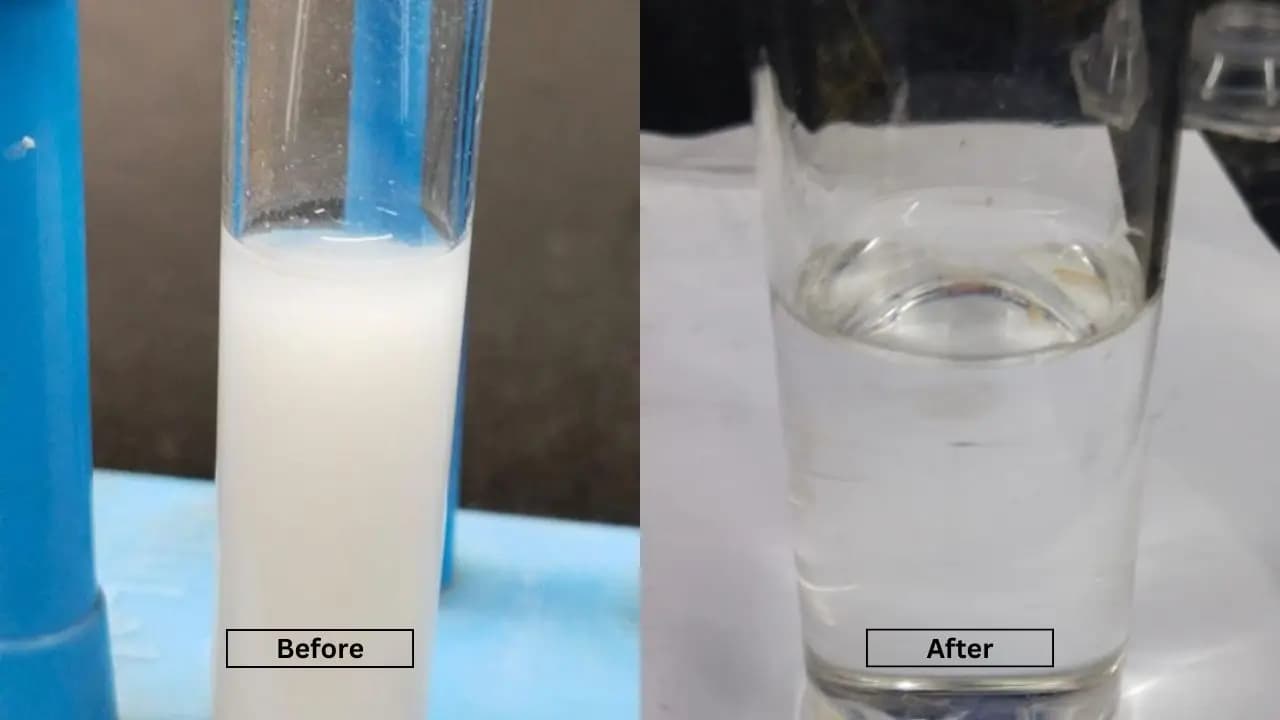
- Water Recovery: 50 KLD of treated water was recycled back into the plant.
- COD Reduction: Effluent met discharge norms, ensuring compliance.
- Cost Efficiency: Reduced freshwater intake and minimized disposal costs.
These results underscore the success of Diva Envitec's innovative approach, highlighting their ability to tailor solutions for complex industrial wastewater challenges.
Why Choose Diva Envitec for Textile Wastewater Treatment?
Diva Envitec combines advanced polymer chemistry, extensive treatability studies, and cutting-edge technologies to deliver sustainable water management solutions. Their expertise helps industries like textiles achieve:
- Regulatory Compliance: COD reduction to permissible levels.
- Resource Conservation: High water recovery rates for plant reuse.
- Cost Savings: Optimized operational costs through reduced water intake and disposal.
Conclusion
This case study showcases how Diva Envitec overcame complex wastewater challenges in the textile industry. Through tailored solutions combining polymer chemistry, physico-chemical pretreatment, and PROMEM filtration, they achieved significant COD reduction and water recovery.
Diva Envitec’s expertise underscores the importance of innovative and sustainable approaches in textile wastewater treatment, paving the way for a cleaner and more efficient industry.
Learn more about the technology.