
LPG Crisis in India: Rethinking Cooking Energy in a Volatile World
𝐖𝐡𝐲 𝐭𝐡𝐞 𝐋𝐏𝐆 𝐌𝐨𝐝𝐞𝐥 𝐢𝐬 𝐈𝐧𝐡𝐞𝐫𝐞𝐧𝐭𝐥𝐲 𝐅𝐫𝐚𝐠𝐢𝐥𝐞
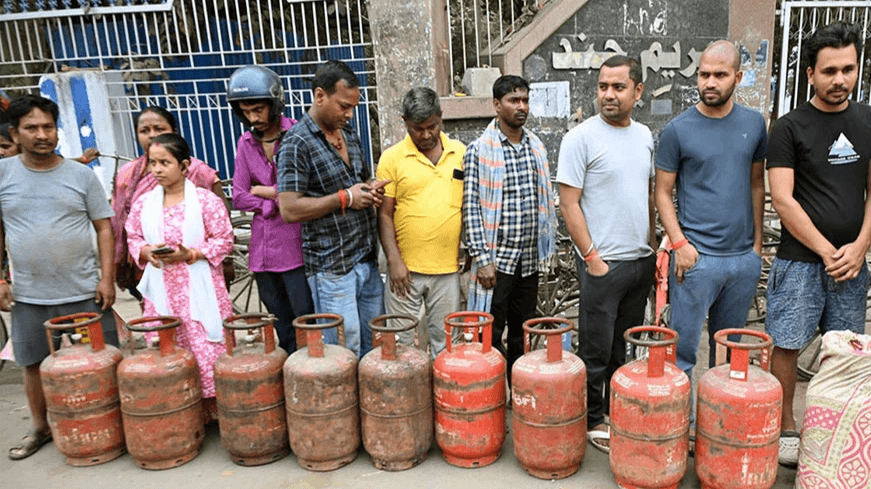
The LPG ecosystem in India is structurally constrained. Domestic production is limited because LPG is not a primary product—it is a by-product of crude oil refining and natural gas processing. This creates a ceiling on how much LPG can ever be produced locally.
- Import Dependence A large share of LPG demand is met through imports, exposing the country to price volatility and supply risks.
- Geopolitical Concentration Supply chains are concentrated in politically sensitive regions, making disruptions almost inevitable over long timelines.
- Demand Concentration Household cooking dominates LPG consumption, leaving little flexibility for demand-side adjustments during crises.
- Infrastructure Lock-in Investments in cylinders, bottling plants, and distribution networks create inertia against transition.
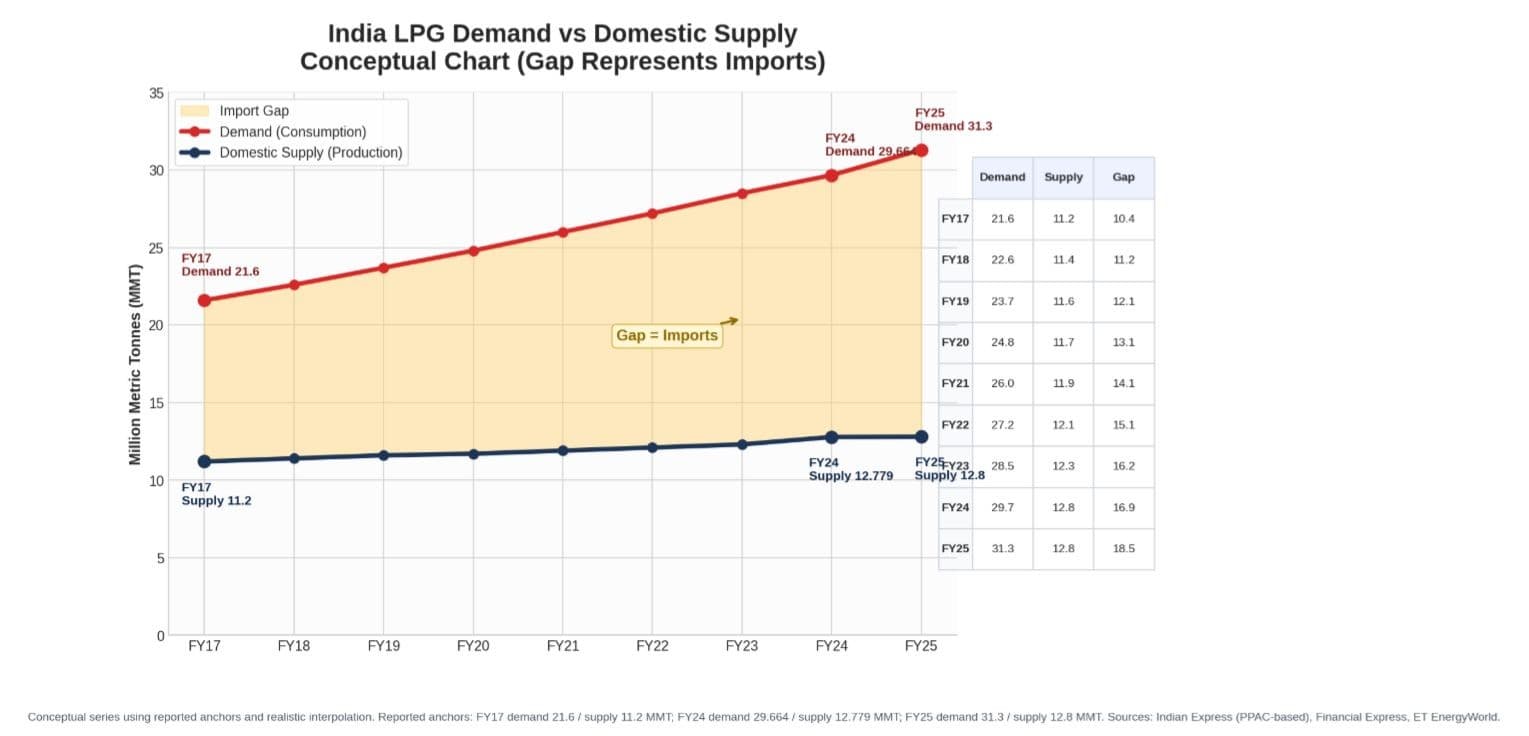
The result is a system that works efficiently under normal conditions but becomes highly unstable under stress.
𝐈𝐬 𝐃𝐌𝐄 𝐭𝐡𝐞 𝐀𝐧𝐬𝐰𝐞𝐫? 𝐀 𝐓𝐞𝐜𝐡𝐧𝐢𝐜𝐚𝐥 𝐑𝐞𝐚𝐥𝐢𝐭𝐲 𝐂𝐡𝐞𝐜𝐤
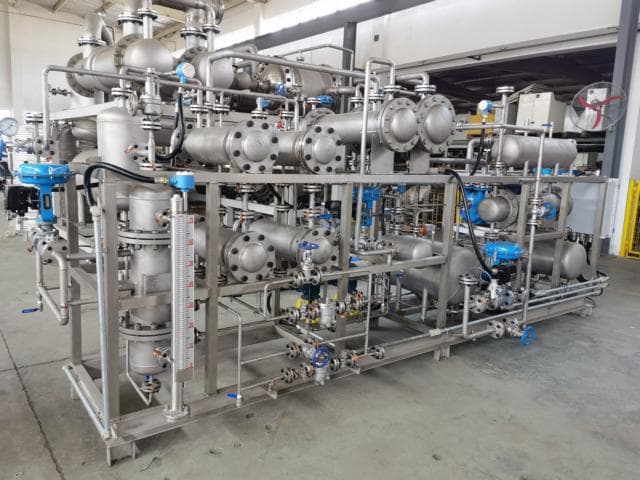
Dimethyl Ether (DME) has been proposed as a drop-in or blendable substitute for LPG. On paper, it appears attractive—clean burning, compatible with existing infrastructure to some extent, and capable of domestic production.
A closer engineering evaluation reveals important limitations.
- Feedstock Constraint DME is typically produced from methanol, which itself is largely derived from fossil sources such as natural gas or coal. This shifts dependence rather than eliminating it.
- Energy Conversion Losses The pathway from primary energy to DME involves multiple conversion steps, each introducing inefficiencies.
- Lower Energy Density Compared to LPG, DME has a lower calorific value, meaning higher volumes are required for the same cooking output.
- Capital and Integration Challenges Large-scale adoption requires new synthesis units, blending systems, and regulatory adjustments.
DME can play a role as a transitional fuel or blending component, but positioning it as a long-term solution risks repeating the same structural dependency under a different name. In that sense, it is not a disruption—it is an extension.
𝐖𝐡𝐲 𝐄𝐥𝐞𝐜𝐭𝐫𝐨𝐥𝐲𝐬𝐢𝐬-𝐁𝐚𝐬𝐞𝐝 𝐂𝐨𝐨𝐤𝐢𝐧𝐠 𝐈𝐬 𝐍𝐨𝐭 𝐕𝐢𝐚𝐛𝐥𝐞
The idea of producing hydrogen through electrolysis and using it as a cooking fuel is often presented as a clean alternative. While conceptually appealing, it is fundamentally inefficient in practice.
- Energy Inefficiency Converting electricity to hydrogen and then back to heat results in significant energy losses.
- High Capital Intensity Electrolysers, storage systems, and safety infrastructure make this option prohibitively expensive.
- Operational Complexity Hydrogen handling in residential environments introduces safety and logistical challenges.
Direct use of electricity for cooking is far more efficient than routing it through hydrogen as an intermediate energy carrier.
𝐄𝐥𝐞𝐜𝐭𝐫𝐢𝐟𝐢𝐜𝐚𝐭𝐢𝐨𝐧: 𝐓𝐡𝐞 𝐌𝐨𝐬𝐭 𝐋𝐨𝐠𝐢𝐜𝐚𝐥 𝐏𝐚𝐭𝐡𝐰𝐚𝐲
A fundamental shift is required—from fuel-based cooking to energy-based cooking. Electrification, particularly through induction systems, offers a highly efficient and scalable solution.
- High Efficiency Induction cooking directly converts electrical energy into heat with minimal losses.
- Grid Integration Can be seamlessly integrated with renewable energy sources such as solar and wind.
- Rapid Deployability Appliances can be deployed quickly without the need for complex fuel logistics.
The primary challenge lies in strengthening the electrical grid to handle increased loads and ensuring reliable supply in rural and semi-urban areas. However, these are infrastructure challenges—not fundamental limitations.
𝐒𝐨𝐥𝐚𝐫 𝐄𝐧𝐞𝐫𝐠𝐲: 𝐅𝐫𝐨𝐦 𝐒𝐮𝐩𝐩𝐥𝐞𝐦𝐞𝐧𝐭 𝐭𝐨 𝐂𝐨𝐫𝐞 𝐒𝐨𝐥𝐮𝐭𝐢𝐨𝐧
Solar energy offers a decentralised and sustainable pathway, particularly when combined with electrification.
- Zero Fuel Cost Once installed, solar systems provide energy without recurring fuel expenses.
- Decentralized Generation Reduces dependence on centralized supply chains.
- Hybrid Models Solar coupled with battery storage and induction cooking can provide reliable solutions even in off-grid scenarios.
The intermittency of solar energy remains a limitation, but hybrid systems and storage technologies are steadily addressing this gap.
𝐁𝐢𝐨𝐠𝐚𝐬: 𝐀 𝐋𝐨𝐜𝐚𝐥𝐢𝐬𝐞𝐝 𝐂𝐢𝐫𝐜𝐮𝐥𝐚𝐫 𝐄𝐜𝐨𝐧𝐨𝐦𝐲 𝐒𝐨𝐥𝐮𝐭𝐢𝐨𝐧
Biogas represents a fundamentally different approach—localized, circular, and resource-efficient.
- Waste-to-Energy Conversion Utilizes agricultural residues, animal waste, and organic municipal waste.
- Reduced Emissions Methane capture and utilization significantly lower greenhouse gas emissions.
- Rural Relevance Particularly suited for decentralized rural applications where feedstock is readily available.
However, biogas systems face challenges in feedstock logistics, maintenance, and scalability. They are best viewed as localized solutions rather than national-scale replacements.
𝐏𝐍𝐆 𝐚𝐧𝐝 𝐎𝐭𝐡𝐞𝐫 𝐓𝐫𝐚𝐧𝐬𝐢𝐭𝐢𝐨𝐧𝐚𝐥 𝐎𝐩𝐭𝐢𝐨𝐧𝐬
Piped Natural Gas (PNG) offers a relatively stable alternative in urban areas, reducing the need for cylinder logistics. It remains a fossil fuel and does not address long-term sustainability goals.
Similarly, incremental improvements in LPG supply chains or diversification of import sources may provide temporary relief but do not solve the underlying structural problem.
𝐓𝐡𝐞 𝐖𝐚𝐲 𝐅𝐨𝐫𝐰𝐚𝐫𝐝: 𝐀 𝐒𝐡𝐢𝐟𝐭 𝐢𝐧 𝐓𝐡𝐢𝐧𝐤𝐢𝐧𝐠
The LPG crisis is not a failure of a single fuel—it is a failure of system design. Continuing to search for molecule-to-molecule replacements risks perpetuating the same vulnerabilities.
The future lies in transitioning from combustion-based cooking to energy-driven systems.
- Electrification as the backbone Induction cooking powered by an increasingly renewable grid
- Solar as a distributed energy layer Reducing load on centralized systems
- Biogas as a localized supplement Closing the loop in rural and semi-urban ecosystems
- DME as a temporary bridge Not a destination, but a stopgap
India stands at an inflection point. The LPG model, while transformative in the past, is no longer aligned with the country’s future needs. The question is not how to replace LPG with another fuel, but whether the paradigm of fuel-based cooking itself should be reconsidered.
The answer, from both an engineering and systems perspective, is clear: the transition must move from molecules to electrons, from centralized imports to decentralized generation, and from vulnerability to resilience.
#LPGCrisis #EnergyTransition #CleanCooking #EnergySecurity #InductionCooking #Electrification #SustainableEnergy #DecentralizedEnergy #RenewableEnergy #SolarCooking #BiogasSolutions #CircularEconomy #NetZero #EnergyIndependence #FutureOfEnergy #ClimateAction #GreenIndia #EnergyEfficiency #DistributedEnergy #DME #HydrogenEconomy #EnergyPolicy #SustainableLiving #RuralEnergy #UrbanEnergy #PowerSector #CleanTech #EnergyInnovation #IndiaEnergy #LowCarbon
Learn more about the technology.