
𝗧𝗛𝗙 𝗗𝗲𝗵𝘆𝗱𝗿𝗮𝘁𝗶𝗼𝗻: 𝗪𝗵𝘆 𝗩𝗮𝗽𝗼𝘂𝗿 𝗣𝗲𝗿𝗺𝗲𝗮𝘁𝗶𝗼𝗻 𝗥𝗲𝗱𝗲𝗳𝗶𝗻𝗲𝘀 𝗧𝗵𝗲 𝗦𝗲𝗽𝗮𝗿𝗮𝘁𝗶𝗼𝗻 𝗟𝗮𝗻𝗱𝘀𝗰𝗮𝗽𝗲
𝗧𝗵𝗲 𝗔𝘇𝗲𝗼𝘁𝗿𝗼𝗽𝗲 𝗖𝗼𝗻𝘀𝘁𝗿𝗮𝗶𝗻𝘁 𝗥𝗲𝗺𝗮𝗶𝗻𝘀 𝗖𝗲𝗻𝘁𝗿𝗮𝗹
Tetrahydrofuran (THF) continues to be one of the most widely used solvents in pharmaceutical and fine chemical manufacturing, particularly where moisture sensitivity is critical. The challenge of dehydration is not new, but it remains unresolved in a truly efficient manner due to the presence of a minimum boiling azeotrope with water at approximately 95 wt% THF.
Industrial specifications demand water levels as low as 0.03–0.05 wt%, which places conventional distillation under significant stress. Over time, this has resulted in increasingly complex flowsheets, but without fundamentally overcoming the thermodynamic limitation.
𝗗𝗶𝘀𝘁𝗶𝗹𝗹𝗮𝘁𝗶𝗼𝗻: 𝗔 𝗦𝗼𝗹𝘂𝘁𝗶𝗼𝗻 𝗧𝗵𝗮𝘁 𝗪𝗼𝗿𝗸𝘀 𝗔𝗿𝗼𝘂𝗻𝗱 𝘁𝗵𝗲 𝗣𝗿𝗼𝗯𝗹𝗲m
Distillation-based systems—whether differential pressure or extractive—are designed to manipulate vapor–liquid equilibrium rather than eliminate its constraints. As a result, the process becomes inherently energy-intensive and operationally layered.
A more critical issue arises from the nature of THF itself. Under distillation conditions, especially in the presence of oxygen, THF can form peroxides. These compounds are unstable and introduce a safety dimension that cannot be ignored in continuous plant operation.
The practical consequences of this approach can be summarised:
- High thermal load due to repeated vaporization–condensation cycles
- Increasing complexity as purity targets tighten
- Persistent safety concerns linked to peroxide formation
- Environmental burden when extractive agents are used
Thus, distillation remains a workaround rather than a resolution.
𝗩𝗮𝗽𝗼𝘂𝗿 𝗣𝗲𝗿𝗺𝗲𝗮𝘁𝗶𝗼𝗻: 𝗦𝗲𝗽𝗮𝗿𝗮𝘁𝗶𝗼𝗻 𝗪𝗶𝘁𝗵𝗼𝘂𝘁 𝗘𝗾𝘂𝗶𝗹𝗶𝗯𝗿𝗶𝘂𝗺 𝗖𝗼𝗻𝘀𝘁𝗿𝗮𝗶𝗻𝘁𝘀
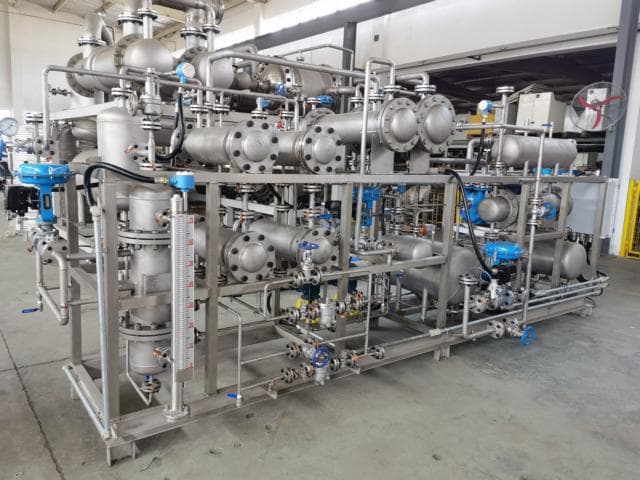
Vapour permeation using zeolite membranes represents a fundamentally different approach. Unlike pervaporation, where liquid feed is processed, vapour permeation operates directly on the vapour phase—typically integrated with or downstream of a distillation column.
The mechanism is based on selective adsorption and diffusion. Water molecules preferentially permeate through the zeolite structure, while THF is retained. Since the process is not governed by vapor–liquid equilibrium, the azeotrope ceases to be a limiting factor.
This distinction is not merely academic—it translates directly into process simplification and efficiency.
𝗣𝗿𝗼𝗰𝗲𝘀𝘀 𝗜𝗻𝘁𝗲𝗻𝘀𝗶𝗳𝗶𝗰𝗮𝘁𝗶𝗼𝗻: 𝗙𝗿𝗼𝗺 𝗠𝘂𝗹𝘁𝗶-𝗖𝗼𝗹𝘂𝗺𝗻 𝘁𝗼 𝗛𝘆𝗯𝗿𝗶𝗱 𝗦𝘆𝘀𝘁𝗲𝗺𝘀
In practical implementations, vapour permeation is rarely a standalone unit; it is most effective as part of a hybrid system. A primary distillation column brings the composition close to the azeotropic region, after which vapour permeation achieves deep dehydration.
This hybridisation leads to a step change in process architecture:
- Reduction in number of distillation columns
- Elimination of extractive agents or salts
- Lower reflux requirements and column heights
- Stable operation independent of azeotropic constraints
The result is a system that is not only simpler but also inherently more robust.
𝗘𝗻𝗲𝗿𝗴𝘆 𝗣𝗿𝗼𝗳𝗶𝗹𝗲: 𝗔 𝗦𝘁𝗿𝘂𝗰𝘁𝘂𝗿𝗮𝗹 𝗔𝗱𝘃𝗮𝗻𝘁𝗮𝗴𝗲
Because vapour permeation avoids repeated phase change for the bulk stream, the overall energy demand is significantly reduced. The distillation column operates at lower severity, while the membrane unit selectively removes water with minimal additional energy input.
A simplified comparison highlights the shift:
Parameter | Conventional Distillation | Vapour Permeation Hybrid |
Steam demand | High (up to ~1.5 t/t) | Significantly reduced |
Cooling load | High | Moderated |
Energy vs purity | Exponential increase | Nearly decoupled |
An important observation is that energy consumption does not escalate sharply with tighter water specifications. Instead, membrane area becomes the primary design variable.
𝗦𝗮𝗳𝗲𝘁𝘆: 𝗙𝗿𝗼𝗺 𝗠𝗮𝗻𝗮𝗴𝗲𝗺𝗲𝗻𝘁 𝘁𝗼 𝗠𝗶𝘁𝗶𝗴𝗮𝘁𝗶𝗼𝗻
Operating on the vapour phase within a controlled and relatively lower thermal envelope significantly reduces peroxide formation risks. The absence of large liquid holdup at elevated temperatures and the ability to operate under controlled atmospheres contribute to a safer process environment.
Key safety improvements include:
- Reduced residence time at high temperatures
- Lower oxygen exposure in critical zones
- Elimination of peroxide concentration during reboiling
This represents a shift from reactive safety management to proactive risk minimisation.
𝗘𝗻𝘃𝗶𝗿𝗼𝗻𝗺𝗲𝗻𝘁𝗮𝗹 𝗙𝗼𝗼𝘁𝗽𝗿𝗶𝗻𝘁: 𝗔𝗹𝗶𝗴𝗻𝗺𝗲𝗻𝘁 𝘄𝗶𝘁𝗵 𝗦𝘂𝘀𝘁𝗮𝗶𝗻𝗮𝗯𝗶𝗹𝗶𝘁𝘆
The elimination of extractive chemicals and the reduction in utility consumption directly translate into a lower environmental footprint. Wastewater generation is minimised, and the load on downstream treatment systems is significantly reduced.
From a lifecycle perspective, this is particularly relevant in regions where water and energy costs are rising and regulatory frameworks are tightening.
𝗘𝗰𝗼𝗻𝗼𝗺𝗶𝗰 𝗥𝗮𝘁𝗶𝗼𝗻𝗮𝗹𝗲: 𝗥𝗲𝗱𝗲𝗳𝗶𝗻𝗶𝗻𝗴 𝗖𝗼𝘀𝘁 𝗦𝘁𝗿𝘂𝗰𝘁𝘂𝗿𝗲
While vapour permeation introduces membrane-related costs, these are offset by savings across utilities, infrastructure, and operations. The modular nature of membrane systems also reduces installation time and capital risk.
A few structural economic advantages emerge clearly:
- Lower steam and cooling water consumption
- Reduced effluent treatment costs
- Smaller equipment footprint and civil work
- High degree of automation reducing manpower dependency
Over the lifecycle of the plant, these factors collectively deliver a favourable total cost of ownership.
𝗔 𝗟𝗼𝗴𝗶𝗰𝗮𝗹 𝗘𝘃𝗼𝗹𝘂𝘁𝗶𝗼𝗻 𝗶𝗻 𝗦𝗲𝗽𝗮𝗿𝗮𝘁𝗶𝗼𝗻 𝗘𝗻𝗴𝗶𝗻𝗲𝗲𝗿𝗶𝗻𝗴
THF dehydration underscores a broader transition within the chemical process industry. As constraints related to energy, safety, and sustainability become more pronounced, reliance on purely thermal separation methods becomes increasingly difficult to justify.
Vapour permeation does not attempt to push distillation beyond its limits. Instead, it complements and transforms it—removing the very constraint that defines the problem.
For modern process design, the question is no longer whether azeotropes can be managed through distillation, but whether they should be approached through equilibrium-based methods at all. Vapour permeation provides a compelling and technically sound answer.
𝐖𝐡𝐲 𝐭𝐡𝐞 𝐋𝐏𝐆 𝐌𝐨𝐝𝐞𝐥 𝐢𝐬 𝐈𝐧𝐡𝐞𝐫𝐞𝐧𝐭𝐥𝐲 𝐅𝐫𝐚𝐠𝐢𝐥𝐞
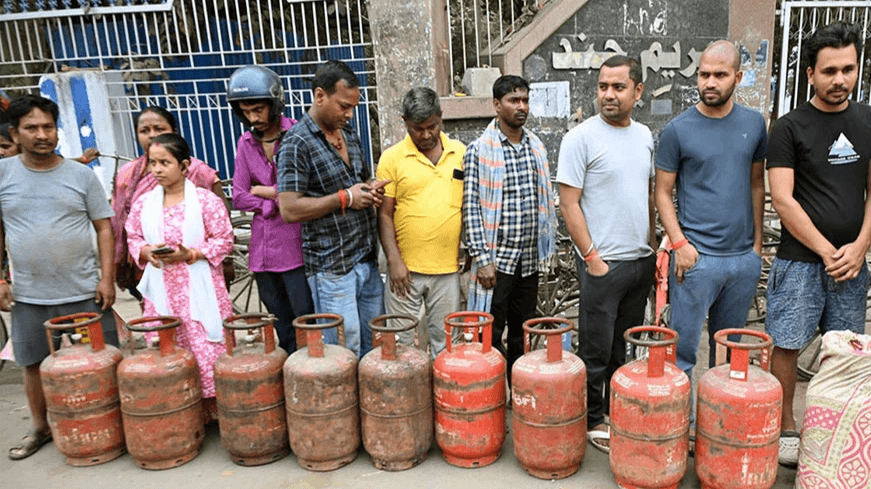
The LPG ecosystem in India is structurally constrained. Domestic production is limited because LPG is not a primary product—it is a by-product of crude oil refining and natural gas processing. This creates a ceiling on how much LPG can ever be produced locally.
- Import Dependence A large share of LPG demand is met through imports, exposing the country to price volatility and supply risks.
- Geopolitical Concentration Supply chains are concentrated in politically sensitive regions, making disruptions almost inevitable over long timelines.
- Demand Concentration Household cooking dominates LPG consumption, leaving little flexibility for demand-side adjustments during crises.
- Infrastructure Lock-in Investments in cylinders, bottling plants, and distribution networks create inertia against transition.
Learn more about the technology.