
Nanobubble technology is the new technology for agriculture, enhancing water quality, improving soil aeration, and increasing crop yields. Nanoporex, an advanced nanobubble generator by Diva Envitec, enables farmers to leverage this technology for sustainable farming practices. By infusing water with nanobubbles, this innovative system optimises oxygen levels, reduces chemical dependency, and promotes plant health. As the agricultural industry faces challenges such as water scarcity, declining soil health, and excessive fertilizer use, nanobubbles offer a practical and eco-friendly solution. Lets delve more into the world of nanobubbles.
What are Nanobubbles?
Nanobubbles are ultra-fine gas bubbles, typically smaller than 200 nanometers in diameter, that remain suspended in liquids for extended periods due to their neutral buoyancy. Unlike regular bubbles, which rise and burst quickly, nanobubbles penetrate water and soil, delivering dissolved gases efficiently. These microscopic bubbles generate a high oxidation potential, improve gas transfer efficiency, and exhibit antimicrobial properties.
In agriculture, nanobubbles primarily enhance oxygen levels in irrigation water, leading to improved soil conditions, better nutrient uptake, and healthier crops. Their ability to reduce biofilm formation and inhibit pathogen growth makes them valuable for sustainable farming practices.
How Do Nanobubbles Work in Agriculture?
Nanobubbles function by improving water quality, enhancing root oxygenation, and optimising nutrient absorption. When introduced into irrigation systems, they increase the dissolved oxygen content in water, ensuring that plant roots receive adequate oxygen. This stimulates root development and microbial activity in the soil, which contributes to better nutrient availability.
Nanobubbles generate mild oxidation effects that help break down organic matter, reduce harmful pathogens, and enhance plant immunity. The improved water penetration in the soil structure results in efficient water utilization, minimising waste and promoting sustainable farming.
5 Key Applications of Nanobubbles in Agriculture
1. Soil Aeration and Health Improvement
Oxygen-rich soil is essential for root respiration and beneficial microbial activity. Nanobubbles enhance soil aeration by delivering dissolved oxygen deep into the root zone, reducing soil compaction and improving porosity. This promotes the growth of aerobic microorganisms, which contribute to nutrient cycling and organic matter breakdown, leading to healthier and more productive soil.
2. Enhanced Irrigation Efficiency
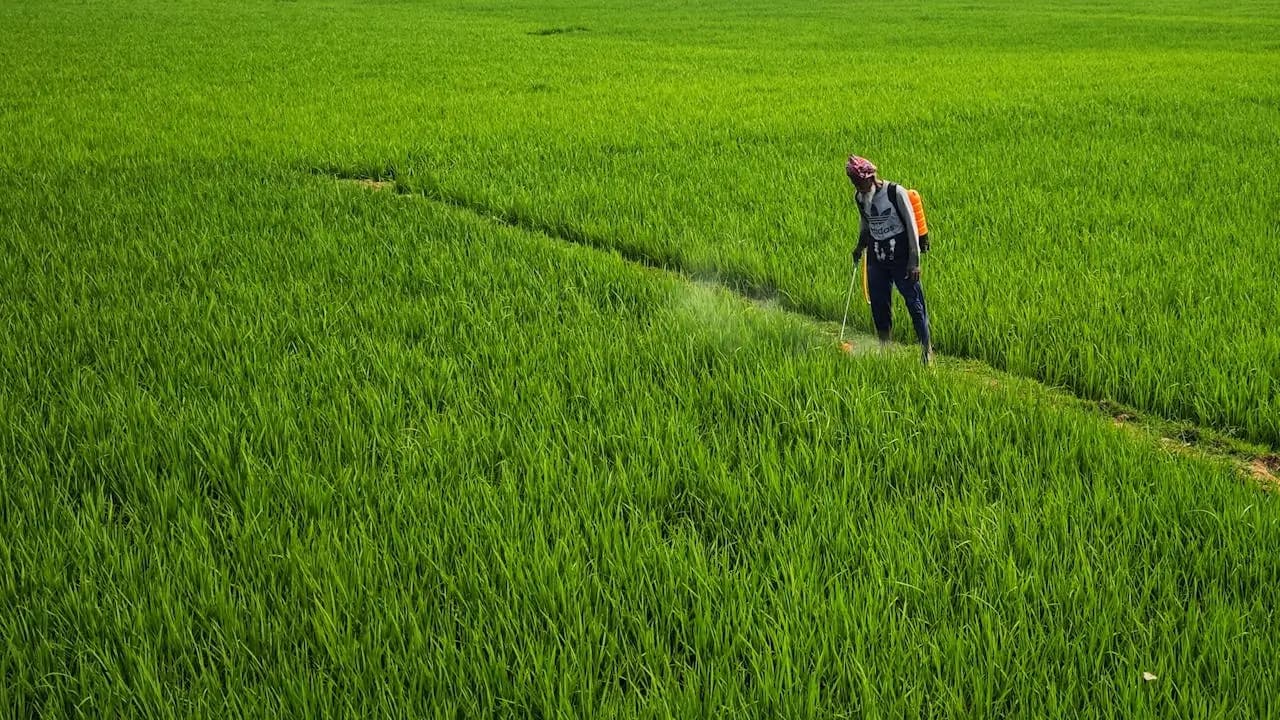
Nanobubbles improve water penetration and retention in the soil, reducing water loss due to runoff and evaporation. By increasing the oxygen content in irrigation water, they enhance root hydration and nutrient uptake, leading to optimized plant growth with less water usage. This is particularly beneficial in drought-prone areas where water conservation is critical.
3. Increased Crop Yield and Plant Growth
By improving oxygen availability and nutrient absorption, nanobubbles stimulate plant metabolism and root development. Studies have shown that oxygen-enriched irrigation water leads to higher germination rates, faster growth, and increased biomass production. As a result, farmers experience improved crop quality and higher yields.
4. Reduction in Fertilizer and Chemical Use
Nanobubbles enhance nutrient solubility and uptake efficiency, allowing plants to absorb more nutrients from fertilizers. This reduces the need for excessive fertilizer applications, minimizing nutrient runoff and environmental pollution. Additionally, the antimicrobial properties of nanobubbles help control pathogens, decreasing the dependence on chemical pesticides and fungicides.
5. Water Treatment and Disease Control
Nanobubbles play a crucial role in water purification by reducing contaminants, breaking down organic residues, and inhibiting harmful pathogens. Their oxidative properties help control algae, fungi, and bacteria in irrigation systems, leading to cleaner water and healthier crops. This application is particularly valuable in hydroponic farming and greenhouse cultivation.
Advantages of Using Nanobubbles in Agriculture
- Improved Soil and Plant Health – Nanobubbles promote beneficial microbial activity, reduce soil compaction, and enhance root oxygenation.
- Water Conservation – Increased water penetration and retention minimize water wastage, making irrigation more efficient.
- Higher Crop Yields – Enhanced nutrient uptake and root development contribute to better plant growth and higher productivity.
- Reduced Fertilizer and Chemical Use – Nanobubbles optimize nutrient availability, decreasing fertilizer dependency and reducing environmental impact.
- Pathogen Control – Their natural antimicrobial properties help control harmful bacteria and fungi, reducing the need for chemical treatments.
- Eco-Friendly and Sustainable – By reducing chemical inputs and optimizing resource utilization, nanobubble technology supports sustainable agricultural practices.
FAQs
Nanobubbles enhance soil aeration, improve water quality, boost nutrient absorption, and reduce pathogen presence, leading to healthier plants and higher yields.
Conclusion
Nanobubbles represent a groundbreaking advancement in agricultural water management, offering multiple benefits ranging from improved soil health to increased crop yields. Nanoporex by Diva Envitec provides an innovative solution for farmers looking to adopt sustainable and efficient farming practices. By integrating nanobubble technology into irrigation systems, agriculture can move towards a more resource-efficient and environmentally friendly future.
Would you like to explore how NANOPOREX can benefit your farm?